
How To Make Your Skincare Serums Work Better Than You Ever Thought Possible
Serums are the overachievers of skincare — concentrated, targeted and capable of delivering real results for hydration, brightness and firmness. But here’s the thing most people miss: a serum is only as good as what you layer around it. A few smart layering techniques can make your serums work noticeably harder.
Seal Hydrating Serums With Moisturizer
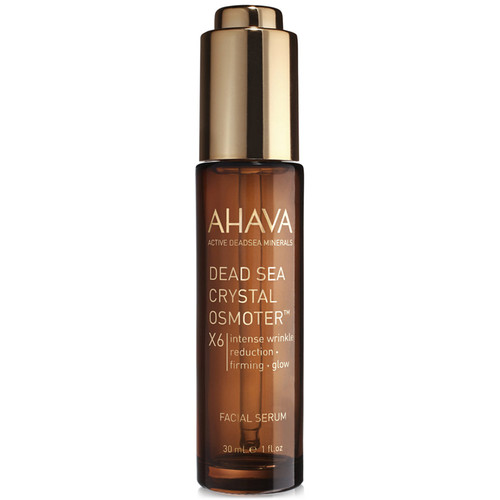
Water-based serums like hyaluronic acid and mineral-rich formulas absorb best on slightly damp skin, and they perform even better when you trap them against the skin with a moisturizer on top. This “sealing” technique locks in the serum’s active ingredients so they keep working instead of evaporating. After applying the AHAVA Dead Sea Crystal Osmoter X6 Facial Serum, follow with the YEOUTH Day/Night Moisturizer — its blend of snail extract, hyaluronic acid, green tea and peptides creates a nourishing barrier that keeps everything underneath working longer.
Layer From Thinnest to Thickest
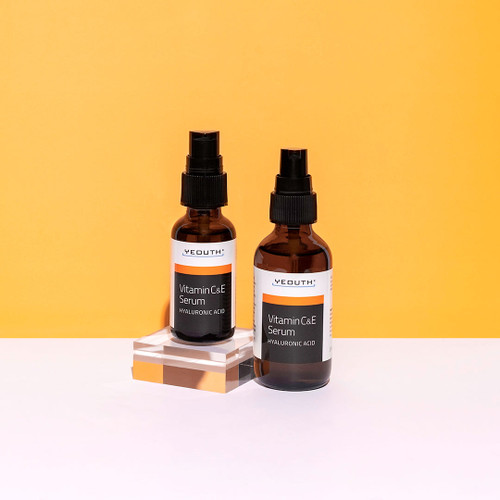
Order matters. Always apply products from the thinnest texture to the thickest so each layer can actually reach your skin. A good morning sequence looks like this: cleanse, tone, apply the Yeouth Vitamin C And E Day Serum With Hyaluronic Acid, then seal with moisturizer and SPF. Giving each layer a minute to absorb before adding the next prevents pilling and maximizes penetration.
Know When NOT to Seal Things In
This is the crucial caveat: don’t use the sealing technique with potent actives like retinoids, strong acids, high-concentration vitamin C or hydroquinone. Trapping these against the skin can significantly amplify their strength and cause irritation you didn’t sign up for. Potent treatments should be applied as directed — usually on dry skin, with buffer time — and followed only with a gentle moisturizer. It’s also wise to skip heavy sealing layers if you’re very acne-prone, since rich occlusive products can clog pores.
Key Takeaways
- Apply hydrating serums to slightly damp skin, then seal with moisturizer to lock in actives.
- Layer products from thinnest to thickest, waiting a minute between steps.
- Never seal in potent actives like retinoids or strong acids — it can multiply irritation.
- Skip heavy occlusive layers if you’re prone to serious breakouts.
- Vitamin C serums work best in the morning, sealed under moisturizer and SPF.
FAQ
Should serum go on before or after moisturizer?
Before. Serums have smaller molecules designed to penetrate skin, while moisturizers create a barrier on top. Serum first, moisturizer second — always.
How long should I wait between serum and moisturizer?
About a minute, or until the serum feels absorbed rather than wet. This prevents pilling and lets each layer do its job.
Can I layer multiple serums at once?
Yes, but keep it simple — two compatible serums max per routine, thinnest first. Avoid combining strong actives (like vitamin C and retinol) in the same routine unless a formula is designed for it.
Does sealing work for all skin types?
It works best for normal to dry skin. If you’re oily or acne-prone, use lighter moisturizers and skip the heaviest occlusive creams.
Smart layering turns good serums into great results. Explore more routines under serum and skincare tips, and build your lineup from our skincare collection.